Equivalency Assessment
High School equivalency assessments.
High School Student Options
Early College pathways for High school students.
Undergraduate Options
1-year Certificates, Associate Degrees, and Bachelor Degrees
Graduate School
Master's Degree programs at SKC.
Continuing & Community Education
Learning never stops and neither do we.
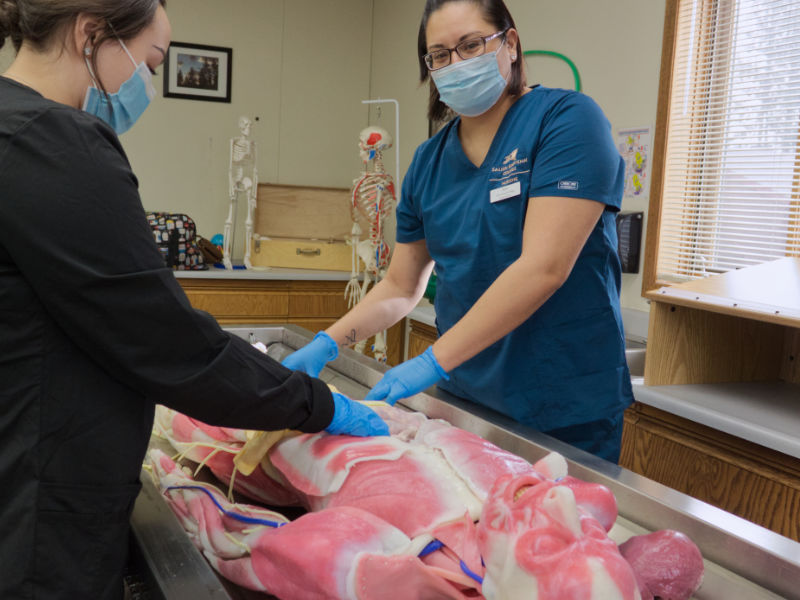
Become an SKC Bison
You're just a few clicks away from heading in a great new direction here at SKC!
SKC News & Events
SKC Winter Quarter Honor Rolls Announced
It’s an honor to announce the SKC Winter 2024 Honor Rolls! These exemplary…
Continue Reading
Lady Bison Bring Home Championship Hardware!
For full story visit CharKoosta News Salish Kootenai College Women’s Basketball Team Crowned…
Continue Reading
Civic Minded: Morgan Hoff, Recipient of the George M. Dennison Civic Engagement Scholarship
Salish Kootenai College proudly recognizes Morgan Hoff, a dedicated sophomore majoring in Nursing,…
Continue Reading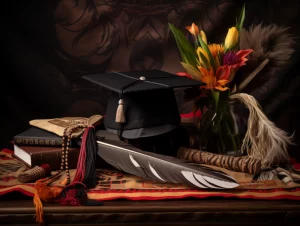
HiSET Graduation
For full article visit the Lake County Leader Bright purple caps and proud…
Continue Reading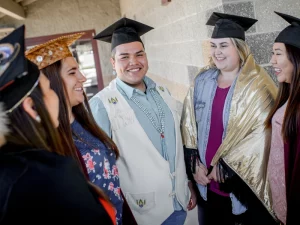
SKC Announces Fall 2023-2024 Honor Roll
We’re excited to present the SKC Fall 2023 Honor Roll! Recognizing academic dedication…
Continue Reading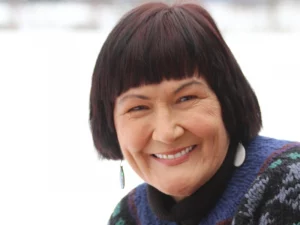
A Homecoming of Powerful Words
Read the full article in the Char-Koosta News Renowned Iñupiaq poet dg nanouk…
Continue Reading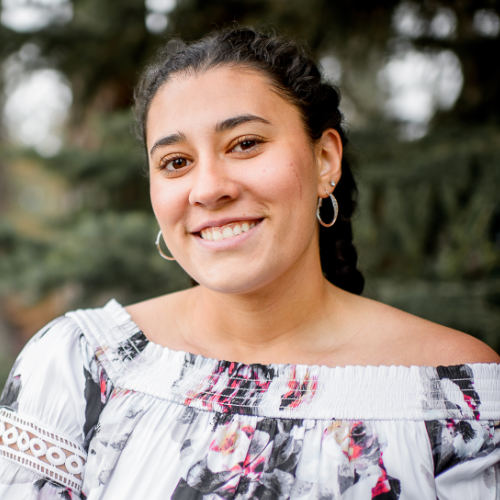
This is my third year here at SKC, each year has been better than the last. Each year I try to put myself out there and meet new people or take part in things around campus. The opportunities I have experienced at this college are opportunities I would have never taken at any other college or university.
Courtney Mitchell
Current Student
SKC Facts
A personal connection.
Serving Indian Country and more!