The Allied Health Department prepares individuals for careers in vocational or technical education. Department offerings include the Medical Assistant Certificate (MAC) and a stand-alone course in Phlebotomy.
In just 10-months, students will gain the essential knowledge, hands-on skills, and professional behaviors to excel as a vital member of any medical team. Students enter the program in the fall and complete in the month of June the following spring.
Medical Assisting’s competency-based curriculum covers everything from medical terminology and clinical procedures to administrative tasks and legal considerations, ensuring you're well-prepared for the demands of the field. You'll learn from experienced instructors and gain real-world experience through a 160-hour supervised practicum in a healthcare setting.
Our program goes beyond the classroom, providing you with the confidence and expertise needed to succeed. We're proud of our 100% first time pass rate on the National Healthcareer Association Certified Clinical Medical Assistant (CCMA) exam, demonstrating the quality of our training. Join our program and take the first step towards a rewarding career in healthcare
The Allied Health Department also offers a 5-credit phlebotomy course. The course is offered winter quarter beginning with the 2025-2026 academic year. In some instances, a second offering of the phlebotomy course occurs during the summer months. Interested students are required to submit a complete phlebotomy application to be considered for course admission as seats in the course are limited. Successful completers earn eligibility to sit for the National Healthcareer Association Certified Phlebotomy Technician (CPT) exam, which is the final requirement of the course.
Programs in this Department
CC Medical Assisting
The Medical Assistant Certificate of Completion (C.C.) is a 10-month preparatory program that provides a competency-based learning approach to prepare medical assistants who are competent in the cognitive (knowledge), psychomotor (skills), and affective (behavior) learning domains to enter the profession. Students learn to perform medical office administrative duties such as scheduling and receiving patients, handling telephone calls, preparing and maintaining electronic health records, managing practice finances, developing effective written, oral and interpersonal-communication skills, and performing within the legal and ethical scope of practice for a medical assistant.
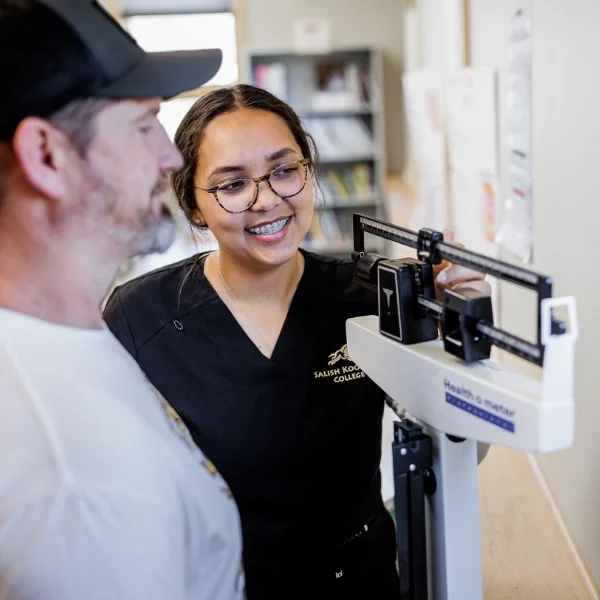
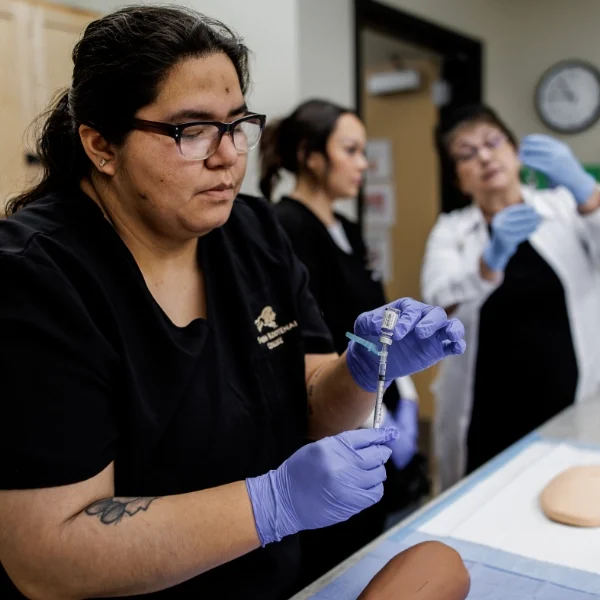
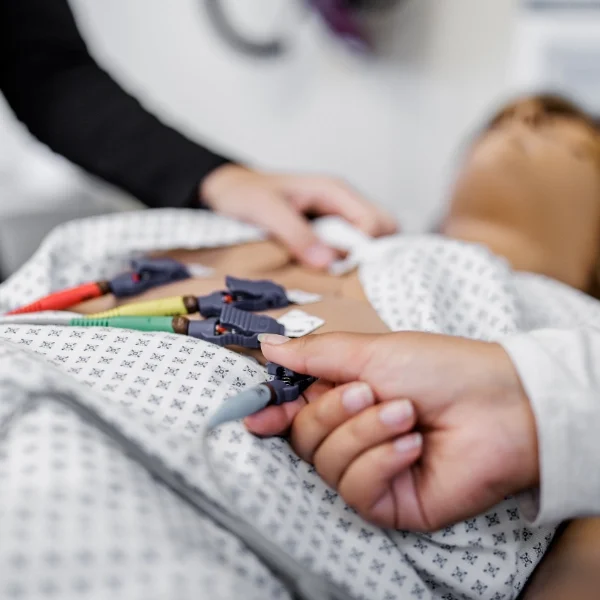
Building on program courses which provide base knowledge of medical terminology, human body systems, human health and disease, commonly prescribed pharmaceutical drugs, and cultural diversity, the medical assistant student learns hands-on application of various clinical duties. Under the supervision and direction of a physician, the medical assistant's clinical duties include asepsis and infection control, measuring and recording vital signs, receiving and documenting patient histories, specimen collections to include venipuncture and capillary sticks, CLIA-waived testing, electrocardiography, medication preparation and administration, patient education and assisting the healthcare provider with examinations and treatments.
In addition to spring quarter courses, medical assistant students complete the minimum requirement of 160 supervised hours in a medical office administrative practicum setting, as well as a medical office clinical setting while under the supervision of a physician. The practicum provides an opportunity for medical assistant students to perform procedures and skills they learned throughout the medical assistant certificate program. Upon successful completion of the required practicum hours, the medical assistant student becomes eligible, and is required to sit for the credentialing examination. Completion of practicum hours and preparation for the credentialing examination occur throughout the month of June.
Program Contacts
Valerie Johnson
Department Chair
valerie_johnson@skc.edu
406-275-4847
Health Sciences Bldg,
Allied Health wing
Christina Tryon
CMA Instructor
christina_tryon@skc.edu
406-275-4932
Health Sciences Bldg,
Allied Health wing
ALLH175 PHLEBOTOMY - Course
Phlebotomy consists of lecture, on campus lab practice hours, and off campus externship site practice. Course content includes anatomy and physiology of the circulatory system, related medical terminology, anatomical site selection, HIPAA and other legal considerations, use of blood collection equipment, order of draw and techniques on how to approach difficult draws and/or patients. Course content also includes infection control and laboratory safety, functions of the medical laboratory, patient identification and preparation for blood draws. Cultural awareness and consideration of patients is emphasized. Students will be eligible to sit for the NHA CPT Certification exam following successful completion of the course.
CREDITS: 5
OFFERED: Winter Quarter
Program Contacts
Valerie Johnson
Department Chair
valerie_johnson@skc.edu
406-275-4847
Health Sciences Bldg,
Allied Health wing
Apply now and enjoy a unique educational experience that blends Western academic knowledge with Native American perspectives and practices. Benefit from smaller class sizes, personalized attention, and opportunities for hands-on learning and research. Join a supportive community that values cultural diversity and academic excellence, and prepare for a successful career and leadership role in your community. Apply today and start your journey towards a brighter future at SKC!